

As we navigate the complexities of the current U.S. political and economic landscape, several key developments have emerged that may resonate with communities like Stillwater, Minnesota.
Political Climate and Public Sentiment
Recent polling indicates a significant level of public concern regarding the state of the U.S. political system. Approximately one-third of Americans identify politics and government as the nation’s most pressing issues. This sentiment is particularly pronounced among older demographics, while younger individuals tend to focus more on economic challenges such as housing affordability and basic needs. This generational divide mirrors trends observed in other high-income countries grappling with similar issues.
Economic Indicators and Challenges
The U.S. economy continues to present a mixed picture. While there has been some growth, certain sectors remain stagnant. Notably, consumer confidence has been dented by elevated gas prices and persistent inflation. The International Monetary Fund (IMF) has described the U.S. economy as “buoyant” but warns of risks associated with tariffs and rising debt levels. The IMF projects a growth rate of 2.4% in the fourth quarter of 2026, with unemployment expected to drop to 4.1%.
Implications for Local Communities
For residents of Stillwater, these national trends can have tangible local effects. Elevated gas prices and inflation may impact household budgets, influencing spending patterns and local business revenues. Additionally, political polarization and concerns about governance can affect community cohesion and civic engagement.
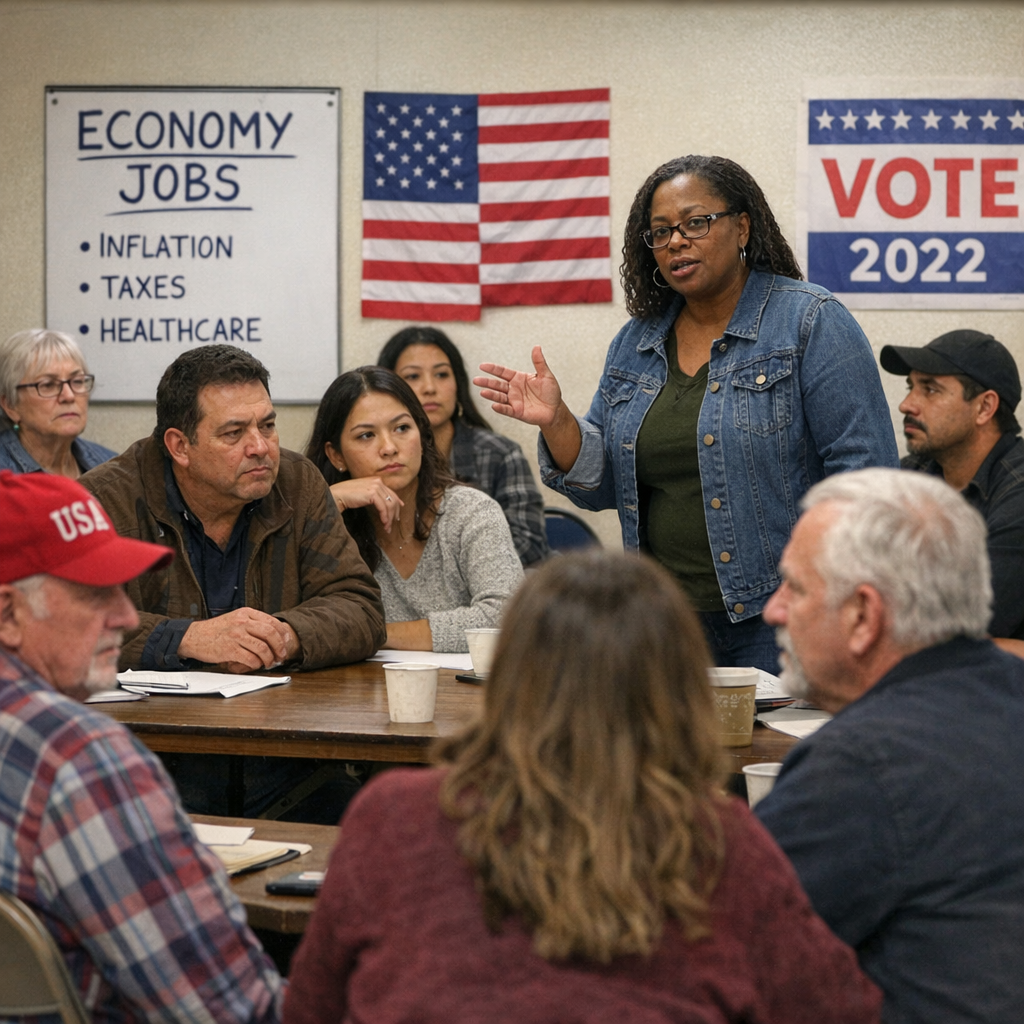
Staying informed about these developments is crucial. Engaging in community discussions and participating in local governance can help address the challenges posed by these national issues at the local level.
As we continue to monitor these trends, it’s essential to consider how national policies and economic shifts influence our daily lives and to seek proactive solutions within our communities.