

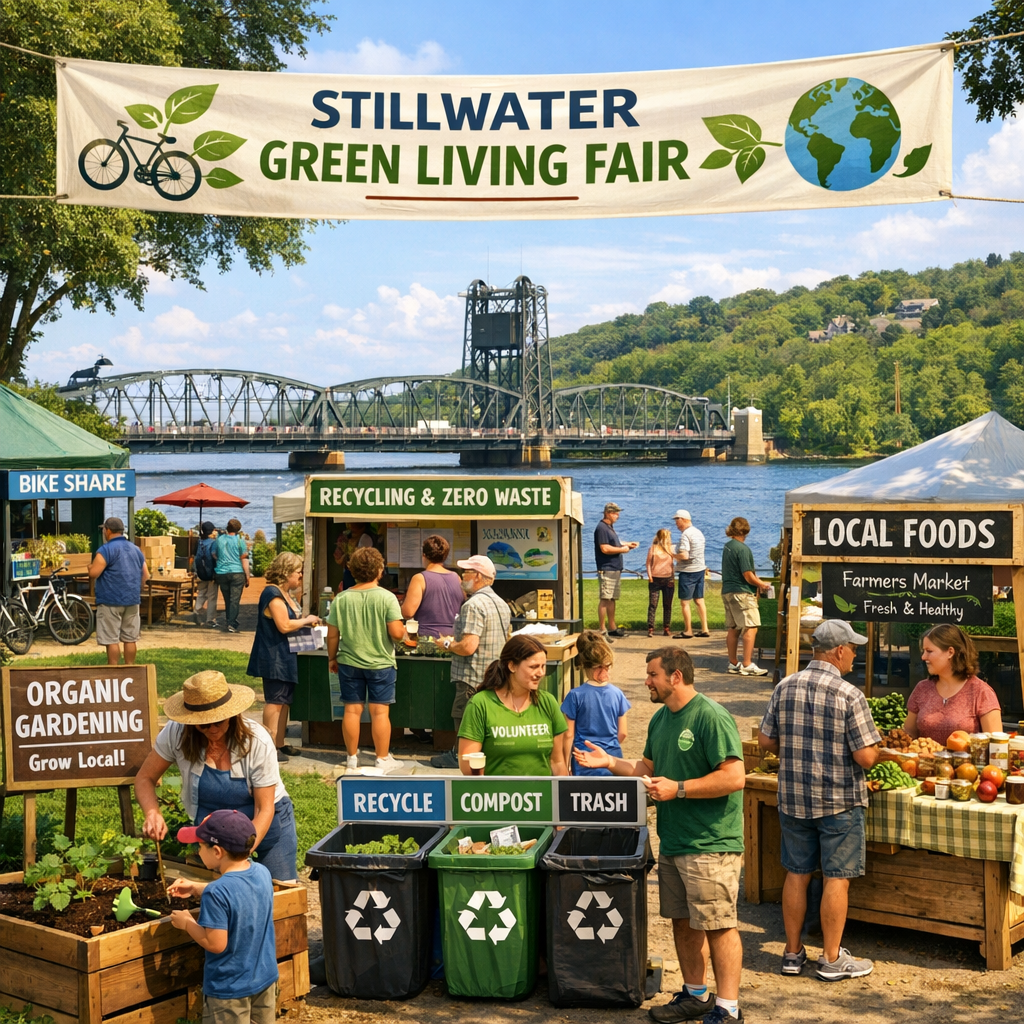
In recent years, Stillwater has made significant strides toward sustainability, reflecting a community-wide commitment to environmental stewardship. This journey encompasses various initiatives aimed at preserving natural resources, promoting energy efficiency, and fostering a resilient local economy.
Community-Led Environmental Efforts
At the heart of Stillwater’s sustainability movement is Sustainable Stillwater MN (SSMN), a nonprofit organization dedicated to promoting social, economic, and environmental resilience. Established in 2016, SSMN has been instrumental in launching programs such as the downtown business waste management initiative and the Safe Routes to School program. These efforts not only enhance the city’s environmental footprint but also improve the quality of life for residents.
GreenStep Cities Program
Since 2018, Stillwater has been recognized as a Minnesota GreenStep City, a designation that acknowledges the city’s commitment to sustainable best practices. The GreenStep program provides a framework for cities to achieve sustainability through actions in areas like green building, energy efficiency, and natural resource conservation. Stillwater’s participation underscores its dedication to creating a healthier and more sustainable community.
Energy Action Plan
In collaboration with Xcel Energy’s Partners in Energy program, Stillwater developed an Energy Action Plan to guide the community toward energy efficiency and reduced carbon emissions. This plan offers residents and businesses strategies to save energy, manage costs, and contribute to the city’s sustainability goals. By focusing on energy conservation, Stillwater aims to enhance its resilience while preserving its historic character for future generations.
Natural Resource Conservation
Protecting and managing natural resources is a cornerstone of Stillwater’s sustainability efforts. The Environmental Learning Center at Stillwater Area High School serves as a 55-acre outdoor classroom, featuring diverse biomes such as oak forests and prairies. This space provides students with hands-on experiences in environmental science, fostering a deeper connection to the natural world.
Additionally, community organizations encourage residents to adopt seasonal best practices, such as minimizing salt use in winter, clearing road gutters in spring, and maintaining rain gardens in summer. These actions collectively contribute to the health of local ecosystems and water bodies.
Looking Ahead
As Stillwater continues its sustainability journey, the community’s active participation remains vital. Engaging in local initiatives, supporting green businesses, and adopting eco-friendly practices at home are all ways residents can contribute to a greener future. Through collective effort, Stillwater is poised to serve as a model for sustainable living, balancing growth with environmental responsibility.