

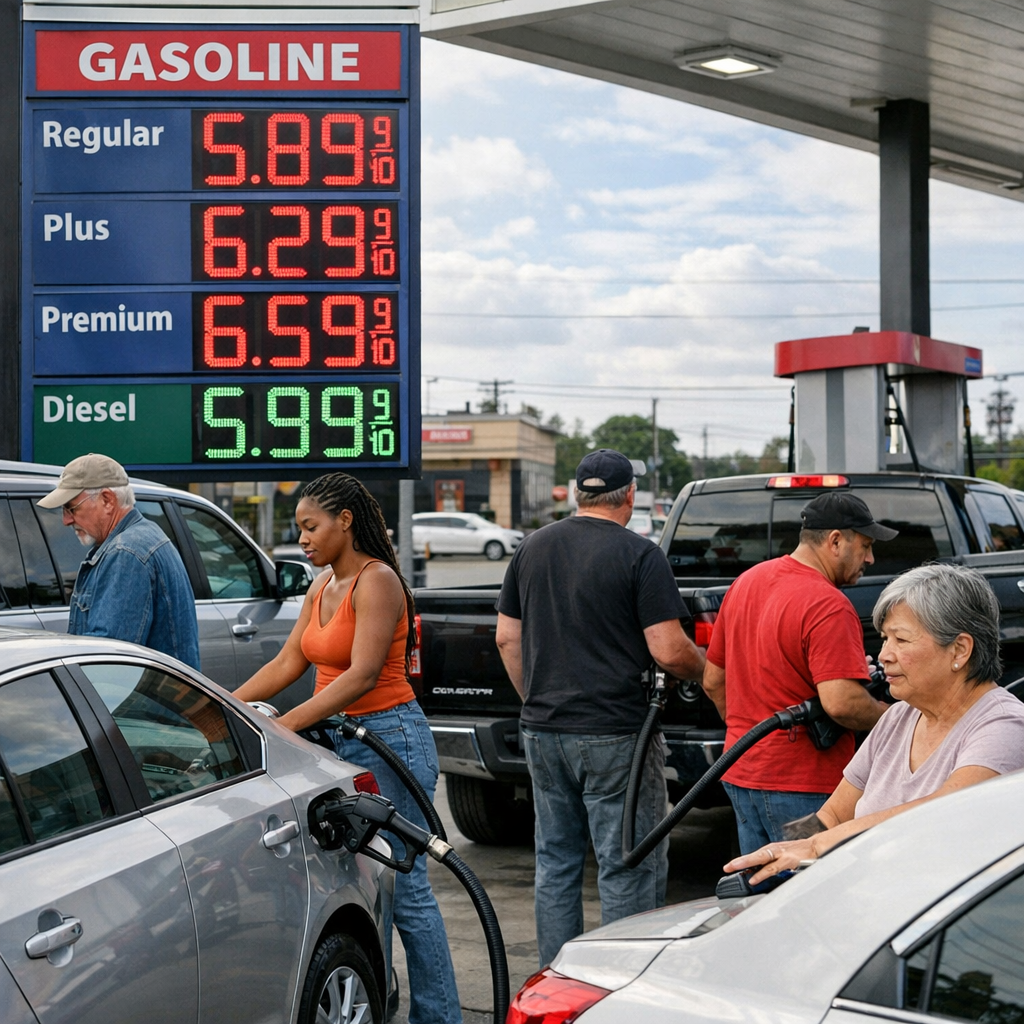
As the nation grapples with economic challenges, many Americans are expressing concern over rising inflation and escalating energy costs. Recent data indicates a significant increase in consumer prices, with inflation reaching 3.8% in April, the highest in three years. This surge is largely attributed to the ongoing military conflict with Iran, which began in February and led to the closure of the Strait of Hormuz, a critical passage for global oil shipments. Consequently, national average gas prices have exceeded $4.50 per gallon, with some states experiencing prices above $5.
The economic strain is further reflected in public sentiment. A recent CBS News/YouGov poll revealed that 70% of Americans feel “angry” or “frustrated” about the current economic situation. Only 11% expressed enthusiasm, and 19% reported satisfaction. This growing dissatisfaction poses challenges for policymakers as they navigate the complexities of economic recovery and stability.
In response to these developments, the Federal Reserve has signaled potential adjustments to interest rates to curb inflation. However, the effectiveness of such measures remains a topic of debate among economists and policymakers. As the situation evolves, staying informed and understanding the broader economic landscape is crucial for individuals and communities alike.