

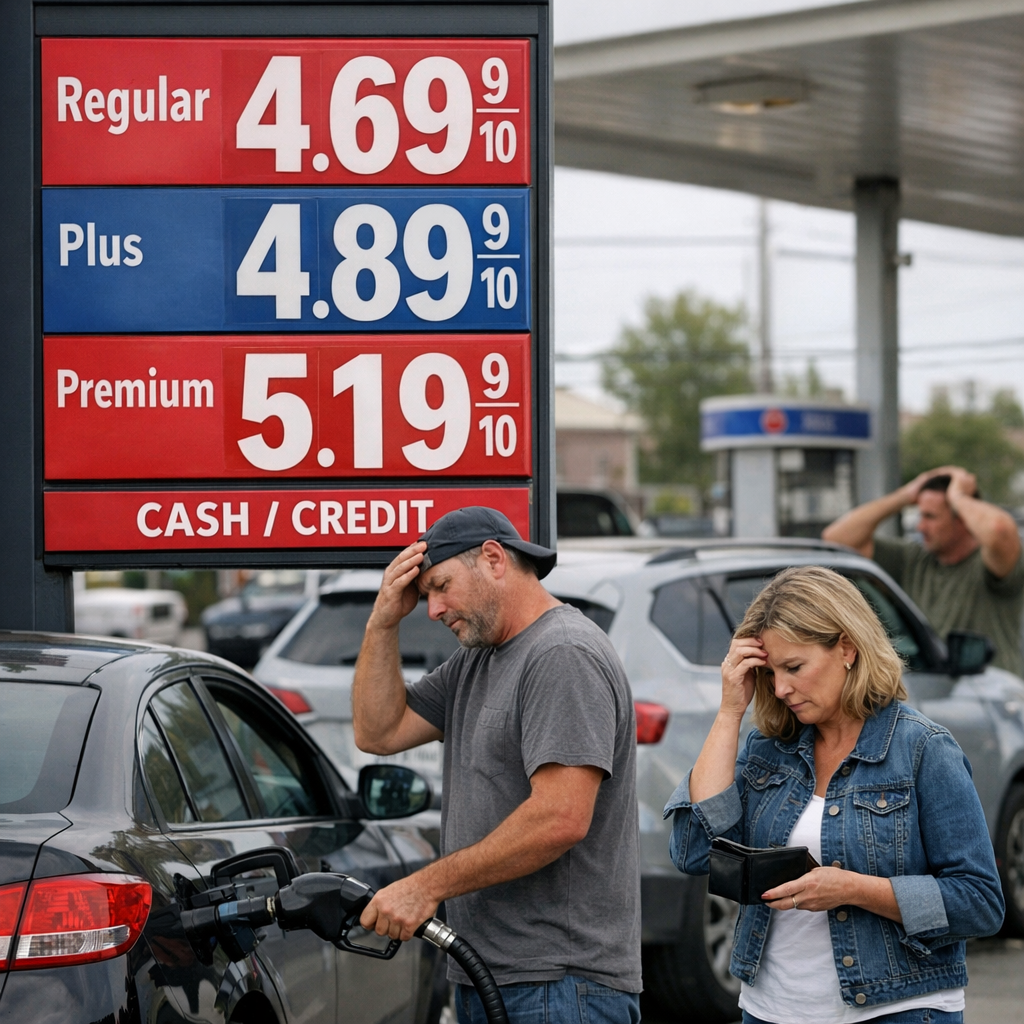
The U.S. economy is currently experiencing significant shifts, with inflation rates reaching nearly 3-year highs and the Federal Reserve implementing strategic measures to address these challenges.
Inflation and Consumer Impact
Inflation has surged to 3.8% in April, marking its highest point in three years. This uptick is largely attributed to escalating energy costs, particularly gasoline prices, which have risen by 21% in the past month. The national average for regular gasoline now exceeds $4.50 per gallon, with some states reporting prices above $5.00. These increases have placed a considerable strain on household budgets, as wages struggle to keep pace with rising living expenses.
Federal Reserve’s Response
In response to these economic pressures, the Federal Reserve has taken decisive action. Kevin Warsh was recently sworn in as the new Fed Chair, replacing Jerome Powell. Warsh inherits a complex economic environment, with the central bank signaling continued support through potential rate cuts aimed at stimulating economic growth and curbing inflation.
Consumer Sentiment and Economic Outlook
Public sentiment reflects growing concern over the economy’s direction. A recent Gallup poll indicates that approximately one-third of Americans view politics and government as the nation’s most pressing issues, surpassing concerns in many other wealthy democracies. This anxiety is particularly pronounced among older Americans, while younger demographics are more focused on economic challenges such as housing affordability.
As the nation navigates these economic challenges, it is crucial for policymakers to balance measures that address inflation with strategies that promote sustainable growth and maintain public confidence in the economic system.