

The U.S. economy is currently experiencing a mix of growth and challenges. Recent data indicates that while the economy is expanding, certain factors are causing concern among consumers and policymakers.
Inflation and Consumer Prices
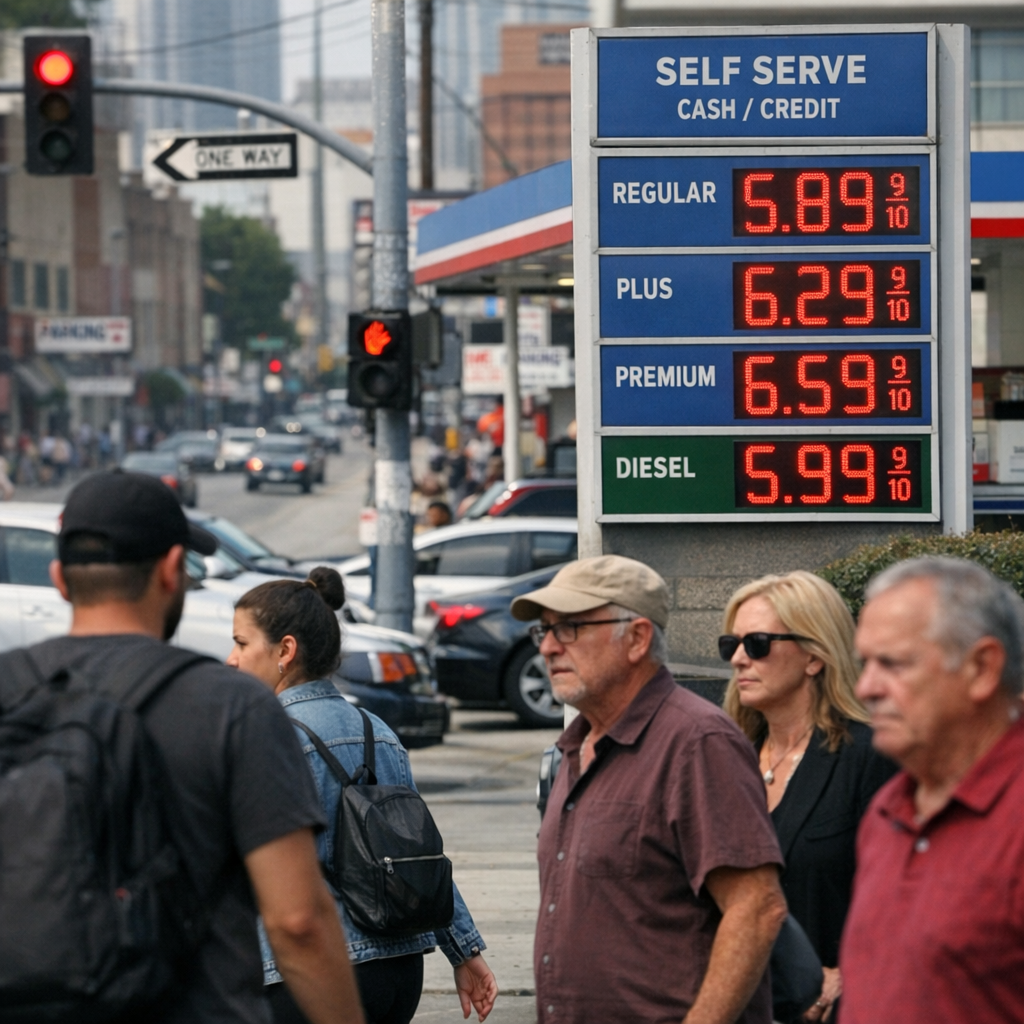
Inflation has been a significant issue, with rates reaching 3.8% in April, the highest in three years. This increase is largely attributed to rising energy costs, especially following the military conflict with Iran that began in February. The closure of the Strait of Hormuz has led to a surge in energy prices, with average gas prices exceeding $4.50 per gallon nationally, and some states seeing prices above $5.
Employment and Wages
The labor market shows signs of stagnation. While unemployment rates have remained relatively stable, wage growth has not kept pace with inflation. A recent CBS News/YouGov poll found that 77% of respondents feel their incomes aren’t keeping up with rising prices, leading to increased economic anxiety among the populace.
Consumer Sentiment
Public dissatisfaction with economic policies is evident. The same CBS News/YouGov poll revealed that 70% of Americans feel “angry” or “frustrated” about the current handling of the economy. Only 11% expressed enthusiasm, and 19% said they were satisfied. This sentiment reflects broader concerns about the direction of economic policy and its impact on everyday life.
Looking Ahead
As the nation approaches the midterm elections, economic issues are at the forefront of voters’ minds. Policymakers are under pressure to address inflation, stabilize energy prices, and implement measures that support wage growth to alleviate public concern and foster economic stability.